Boduberu
The iconic big-drum music of the Maldives — performed at weddings, national celebrations, and community festivals with rhythmic singing and dance.
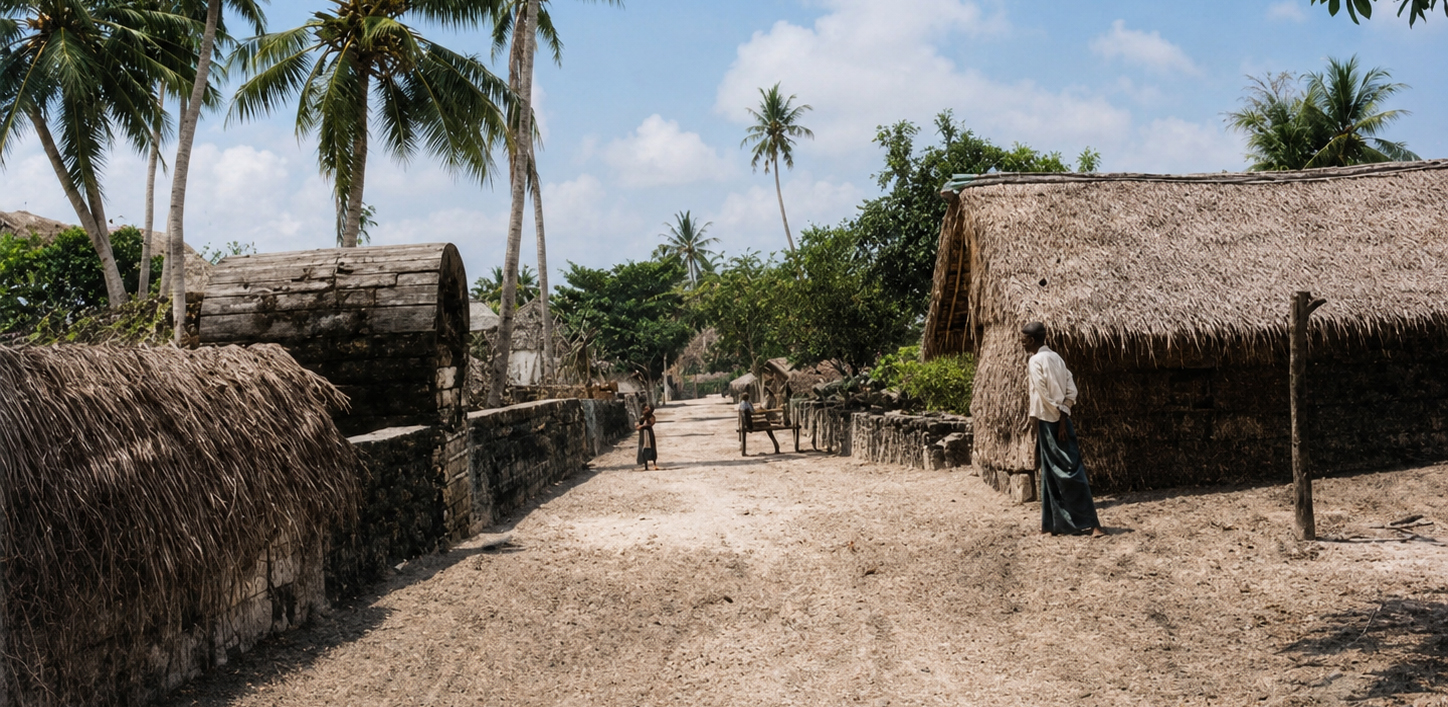
The daily rhythms, communal bonds, and cherished traditions that define life on Maldivian atolls.
Community
On each inhabited island, life unfolds within a close-knit community where everyone knows their neighbors. The island council (kateeb) governs local affairs, while extended families share resources, celebrations, and responsibilities.
Mornings begin with the call to prayer. Fishermen set out before dawn. Women weave mats and prepare meals. Children play on sandy streets. Evenings bring boduberu performances and gatherings under the stars.
Traditions
The iconic big-drum music of the Maldives — performed at weddings, national celebrations, and community festivals with rhythmic singing and dance.

A traditional women's dance performed with metal water pots, combining rhythmic movement with songs passed down through generations.

Coral-walled fendi with open courtyards, thatched roofs, and woven mat interiors designed for tropical island living.
Multi-day celebrations featuring traditional dress, feasts, music, and rituals that unite two families and the entire island community.
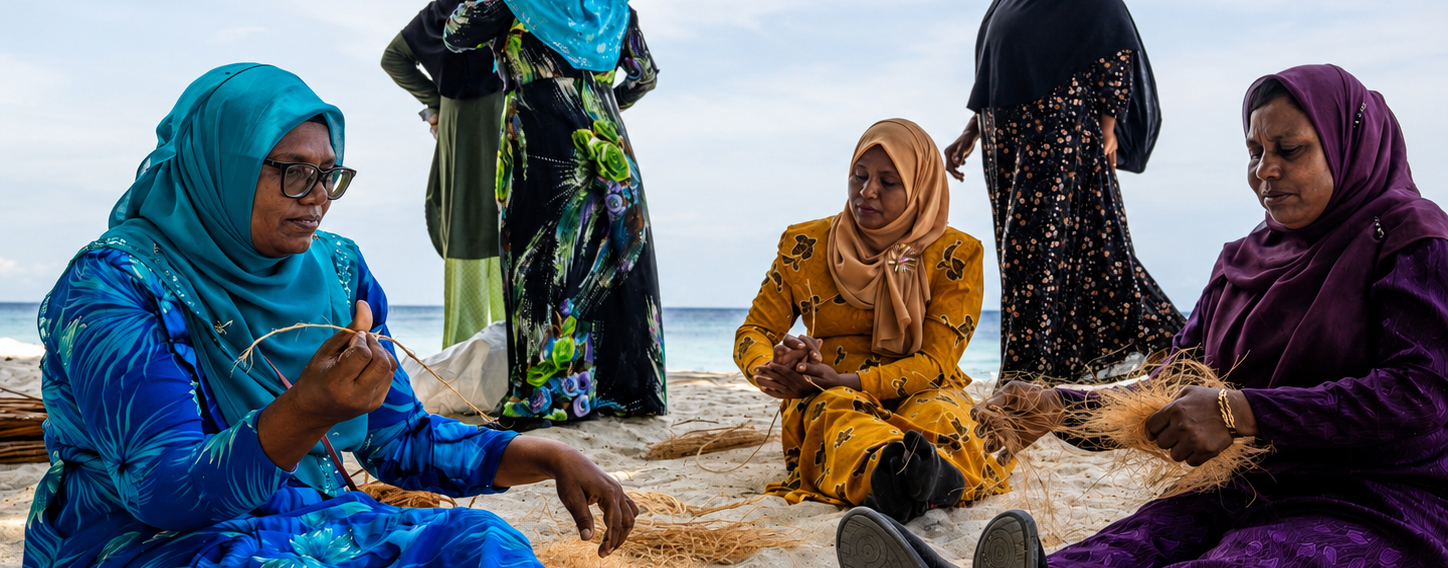
The art of weaving reed mats (kunaa) — an essential household craft practiced by women across all atolls for centuries.
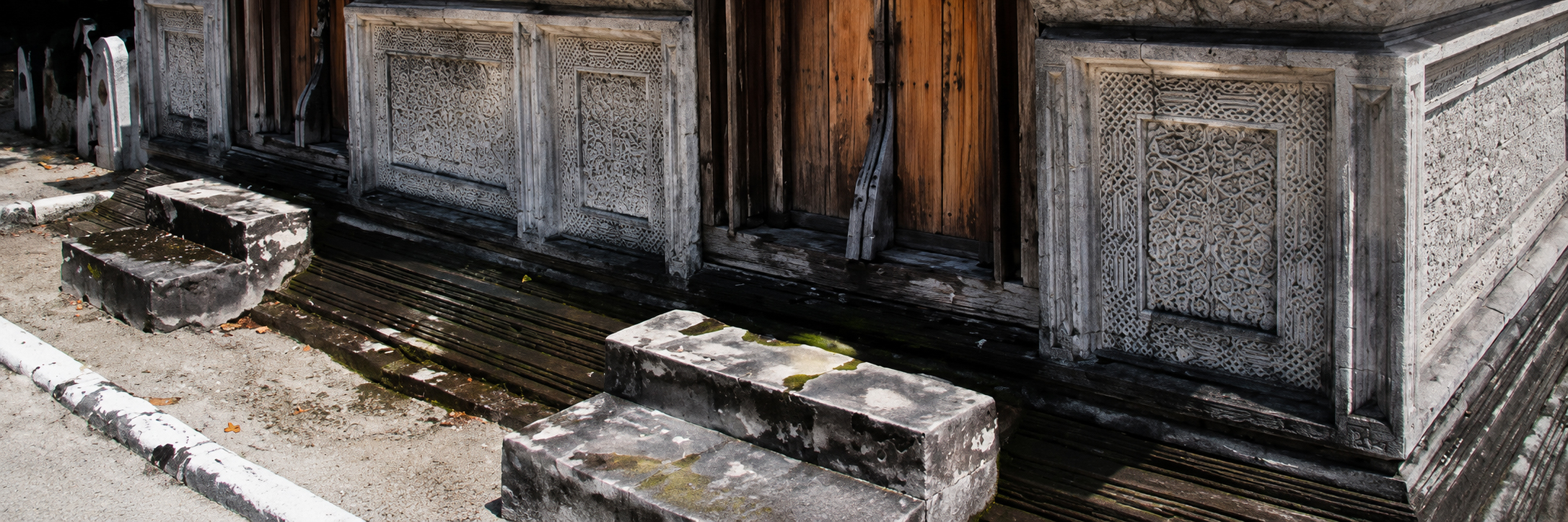
From baibala (traditional ball game) to modern football on sandy pitches — sport as a cornerstone of island social life.
While the essence of island community endures, life on Maldivian atolls has transformed dramatically over recent decades. Concrete homes have replaced coral walls. Motorized boats have replaced sail-powered dhonis. Young people migrate to Malé and abroad for education and employment.
Mahaldeeb documents both the traditions that persist and the memories of ways of life that are fading — ensuring that the character of island communities is not lost to time.